
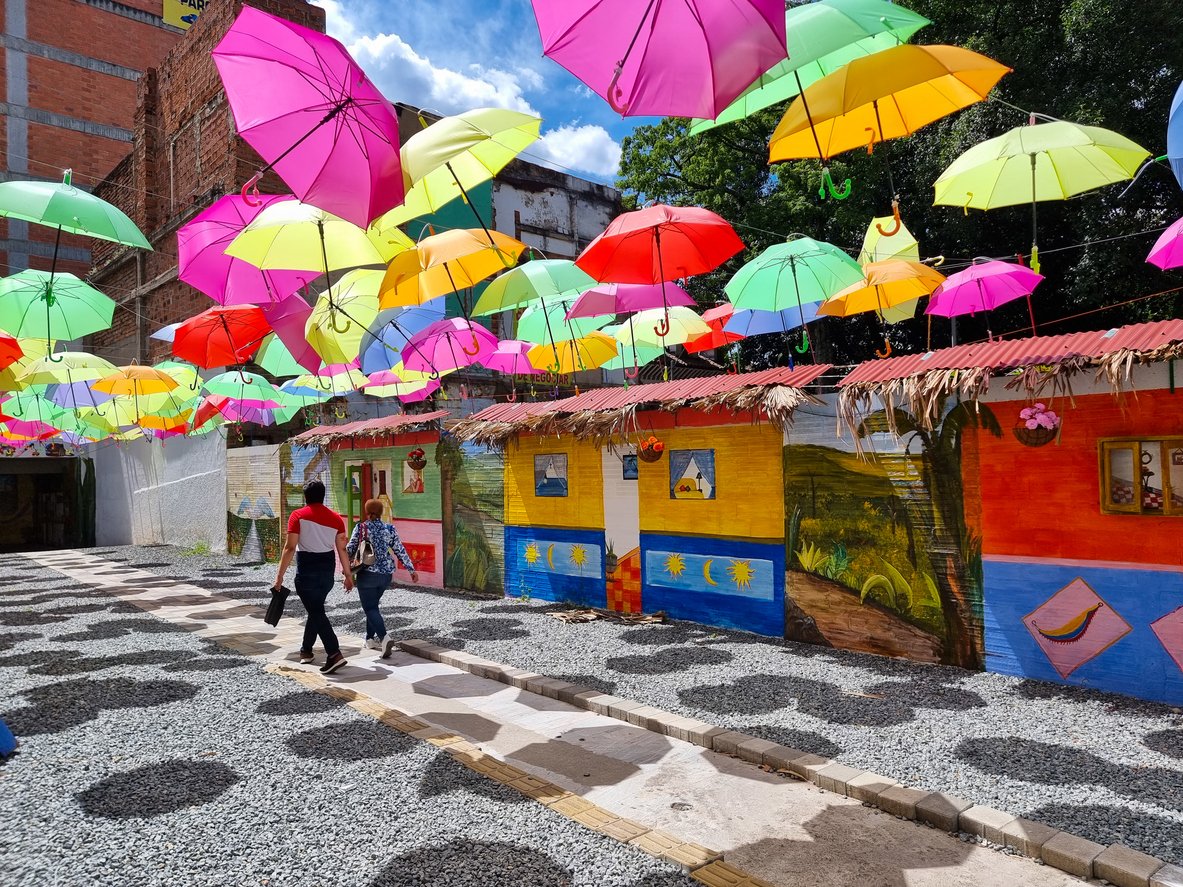
If you’re planning LGBTQ+ travel to Medellín and wondering whether Medellín is gay-friendly, here’s the short answer from our trip: our group felt very comfortable. We went out at night, explored neighborhoods across the city, and spent time with LGBTQ+ locals without ever feeling like we needed to edit ourselves. So we put this gay Medellín travel guide together to help others plan fun trips like we enjoyed.
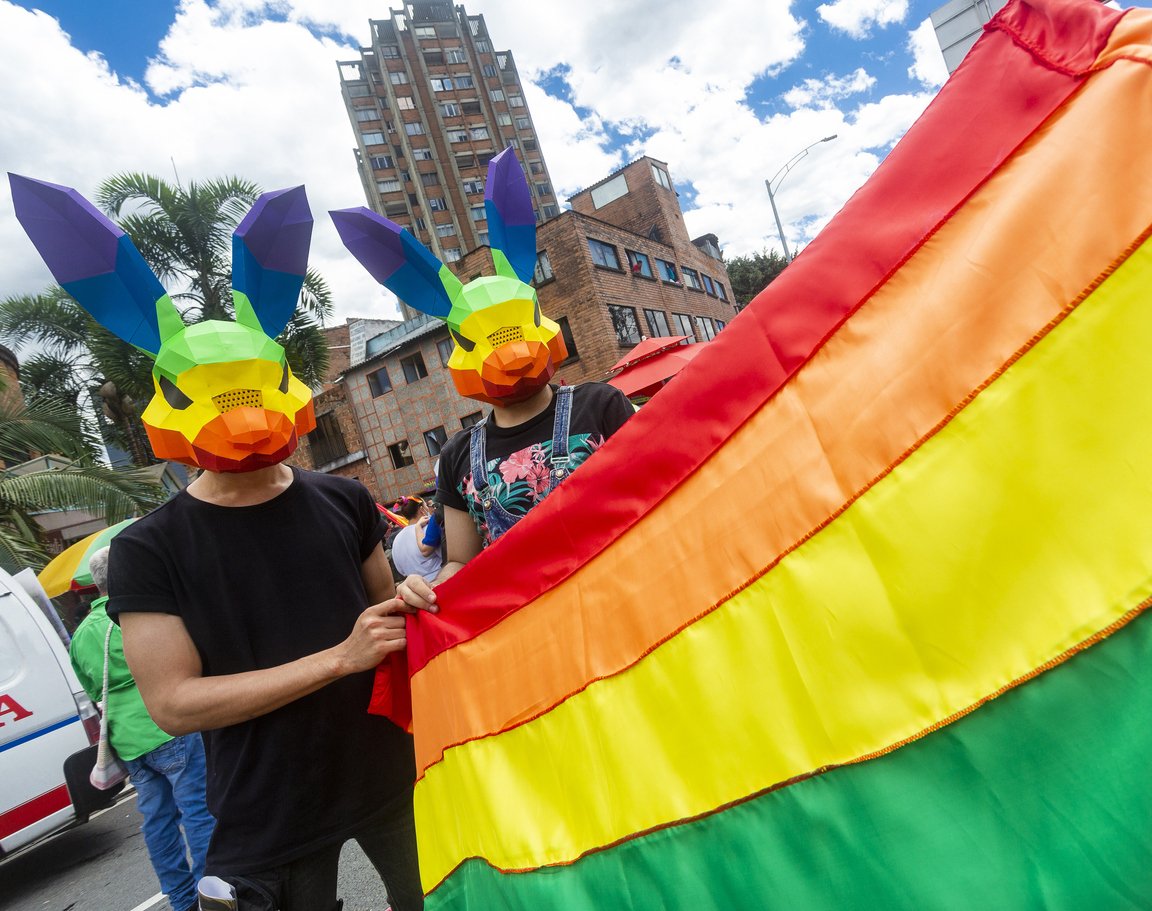 Medellin celebrates LGBTQ+ Pride in June with rainbow colors. (photo: Luis Echeverri Urrea)
Beyond that initial lens, what surprised us most about Medellín was all the color. Huge murals climb the sides of buildings. Painted faces, birds and flowers appear on walls all over the city. Even some buses look as though somebody handed the keys to an artist and said, “Have at it.” At night, rooftop bars glow under colorful lights and cocktails arrive decorated with tropical flowers.
This Medellín looks very different from the city many Americans still have stuck in their heads. Its past history of violence and cartels is long gone, and Pablo Escobar’s drug lord reign is now the subject of history lessons and Hollywood drama.
Modern Medellín is a welcoming, clean and safe city where a surprisingly large LGBTQ+ population is flourishing. It’s still a big South American city in a increasingly developed country. Everywhere we looked we found smiling locals, successful businesses and a community with heart and soul.
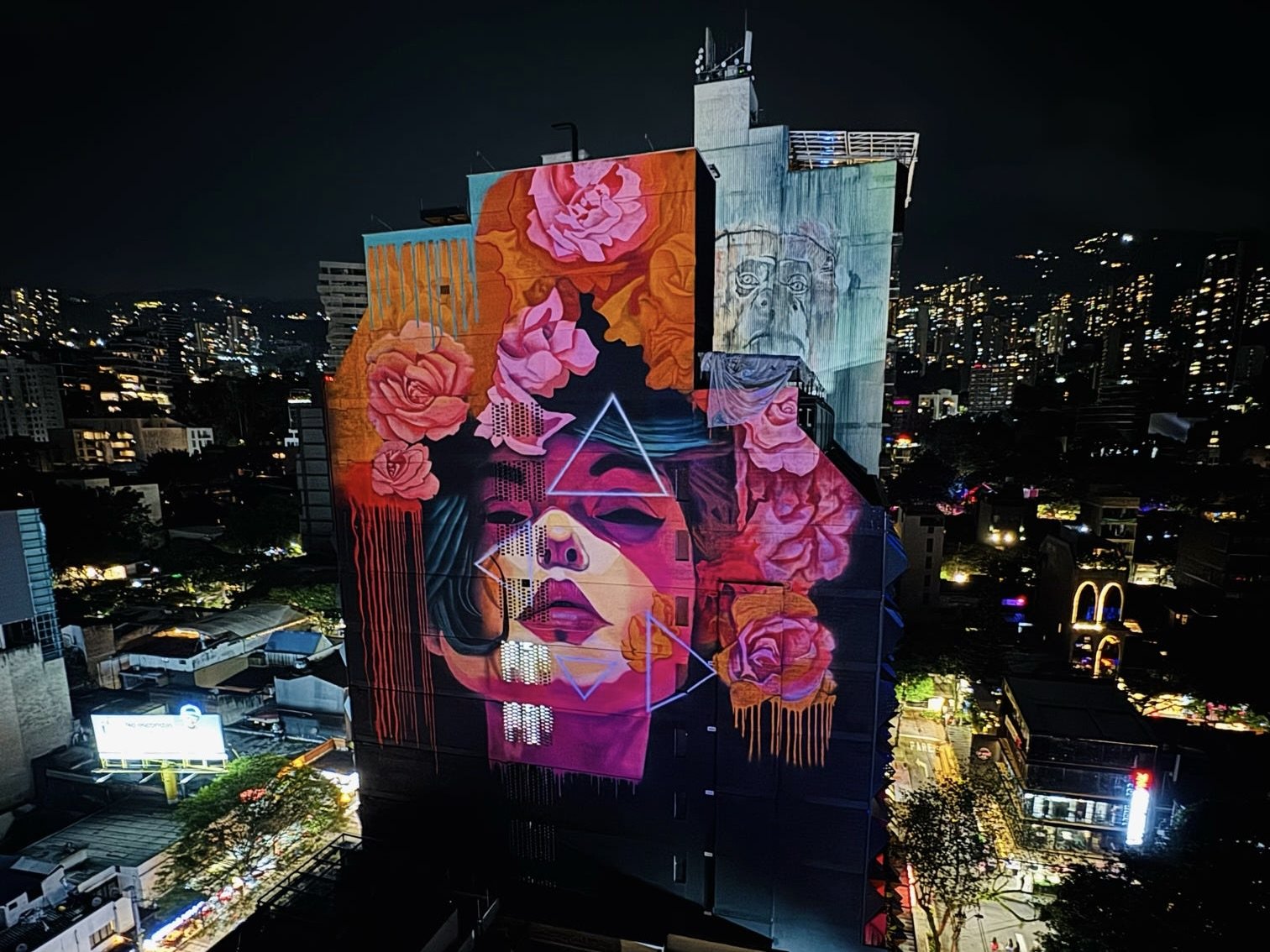 Elaborate and colorful murals grace the sides of buildings throughout Medellín.
Gay Medellín Travel Guide
We travel enough that we’ve developed a pretty good radar for places where being gay requires a little extra awareness. In Medellín, we didn’t find ourselves thinking about it much. We visited with a group of five gay guys, all seasoned travelers interested in learning more about Colombia and this world-class city.
Medellín is a big city, so we used normal judgment. We used rideshare transportation when it made sense, paid attention to our phones and belongings, and didn’t walk around late at night displaying anything expensive. Utilize basic travel precautions visitors would use in any global destination.
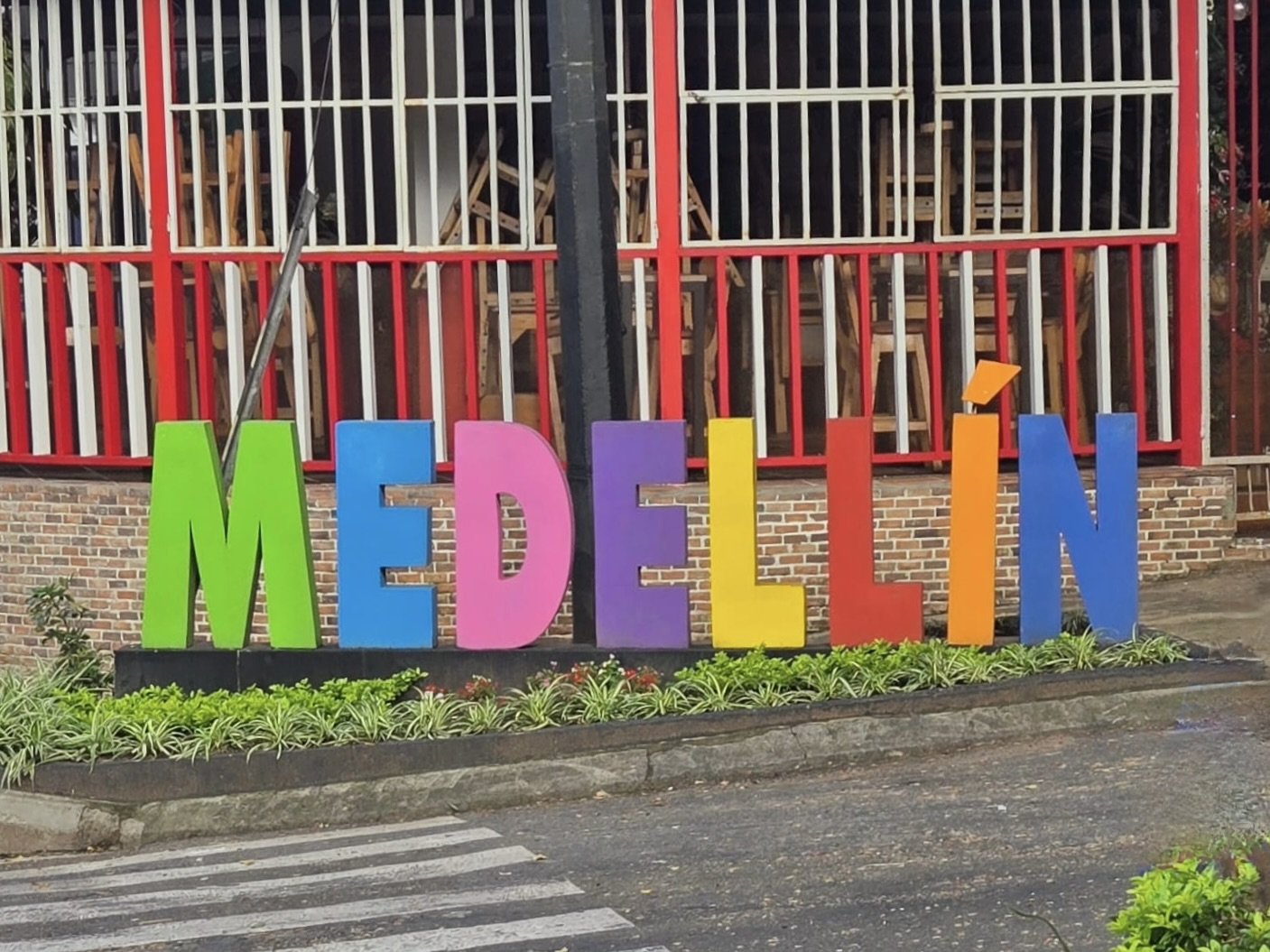 All are welcome in the neighborhood of El Poblado in Medellín.
The city is home to an estimated 60,000-plus LGBTQ+ residents, with the city’s official tourism organization putting the community at about 2.4% of the population.
Spending time with LGBTQ+ locals early in the trip helped. We worked with local tour organizers Out in Colombia for several experiences, including a rooftop cocktail crawl. That helped us gain a deeper perspective we wouldn’t have gotten by simply Googling “gay bars in Medellín.”
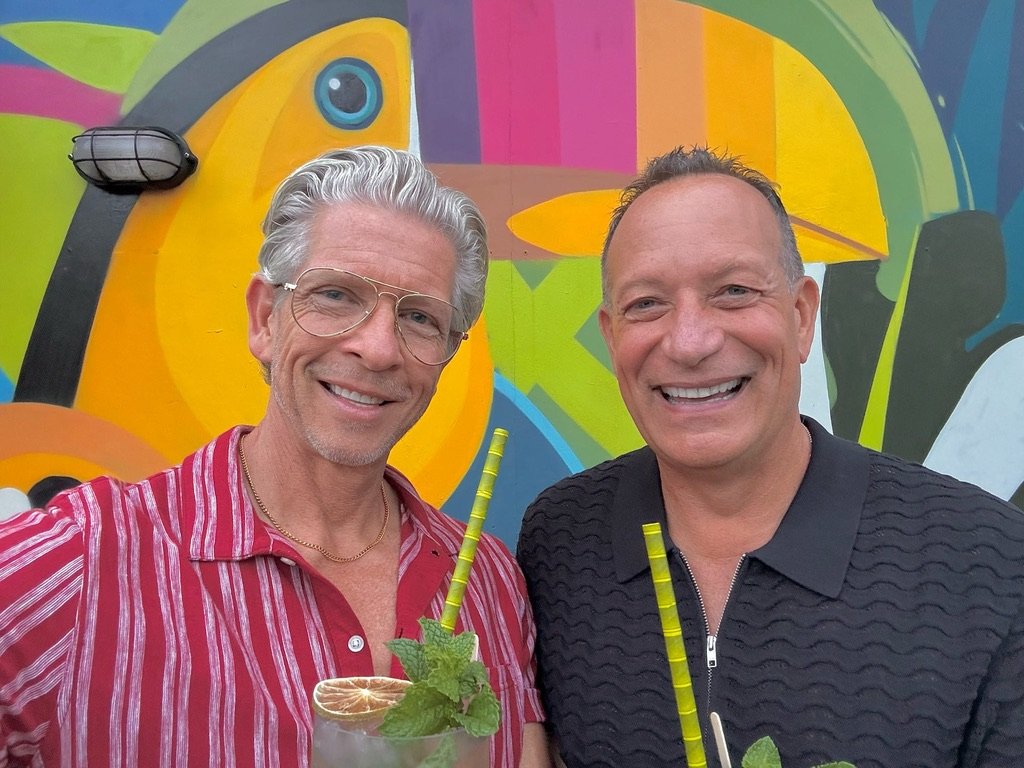 Rooftop drinks are a great way to get acquainted with Medellín.
Understanding Medellín’s Transformation
One of our best days was a six-hour Medellín Transformation Tour, organized and led by Out in Colombia. Our gay tour guide gave us context before we got deeper into the neighborhoods.
We started downtown around Plaza Botero, where Fernando Botero’s enormous bronze sculptures are impossible to miss. We also walked through Parque de las Luces and explored Palacio Nacional, a former government building now used as a shopping center with art spaces upstairs. The shopping here is bizarre-style, and overwhelming in size and scope of things available. Think everything from electronics to bed linens to sliced fresh fruit, and pretty much anything else you can imagine.
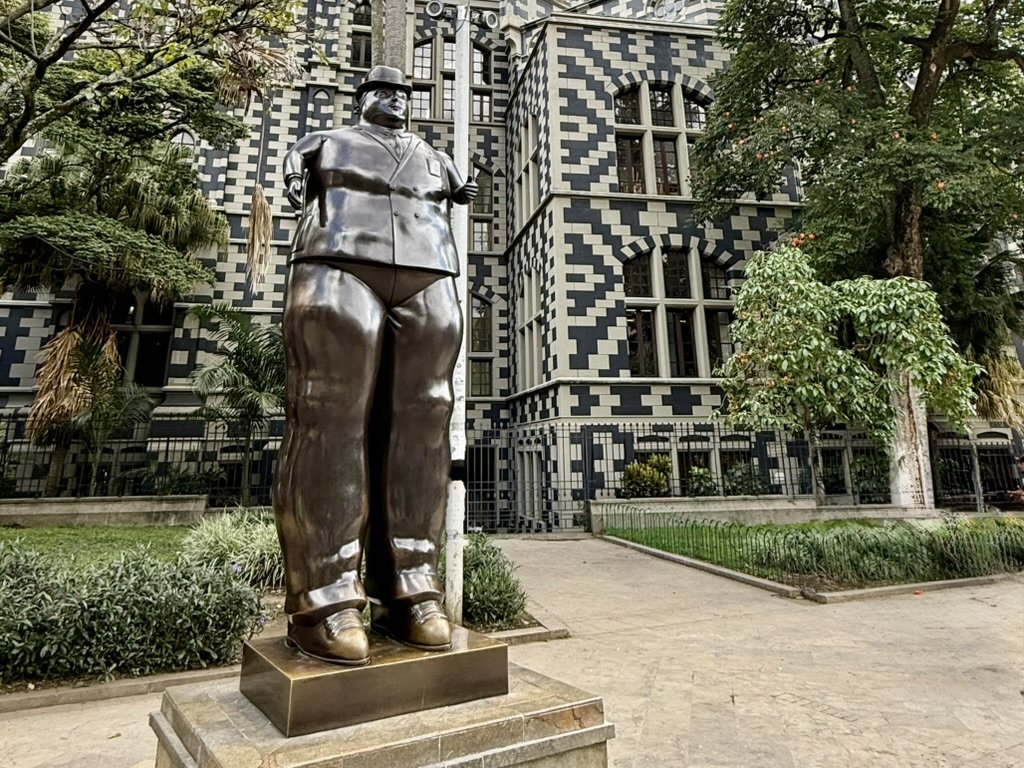 In Plaza Botero in downtown Medellín, visitors can view a collection of the artist’s rounded sculptures.
While we walked, our guide talked us through Medellín’s growth from an industrial center, the violence of the 1980s and 1990s, and the changes that followed. We appreciated that the tour didn’t pretend those years never happened. You can’t understand Medellín without them, but travelers should not keep defining the entire city by Escobar’s drug war that peaked decades ago.
Riding Above Medellín
Medellín is a very hilly city, and its geography started making sense to me when we boarded the Metrocable cars. The city sits in the Aburrá Valley and climbs almost straight up the surrounding mountains. From a gondola, you see tightly packed brick homes, winding roads and neighborhoods spreading far up the hillsides. Interspersed around the center and up the sides, there are numerous high-rise apartment buildings – all in shades of peach and terracotta.
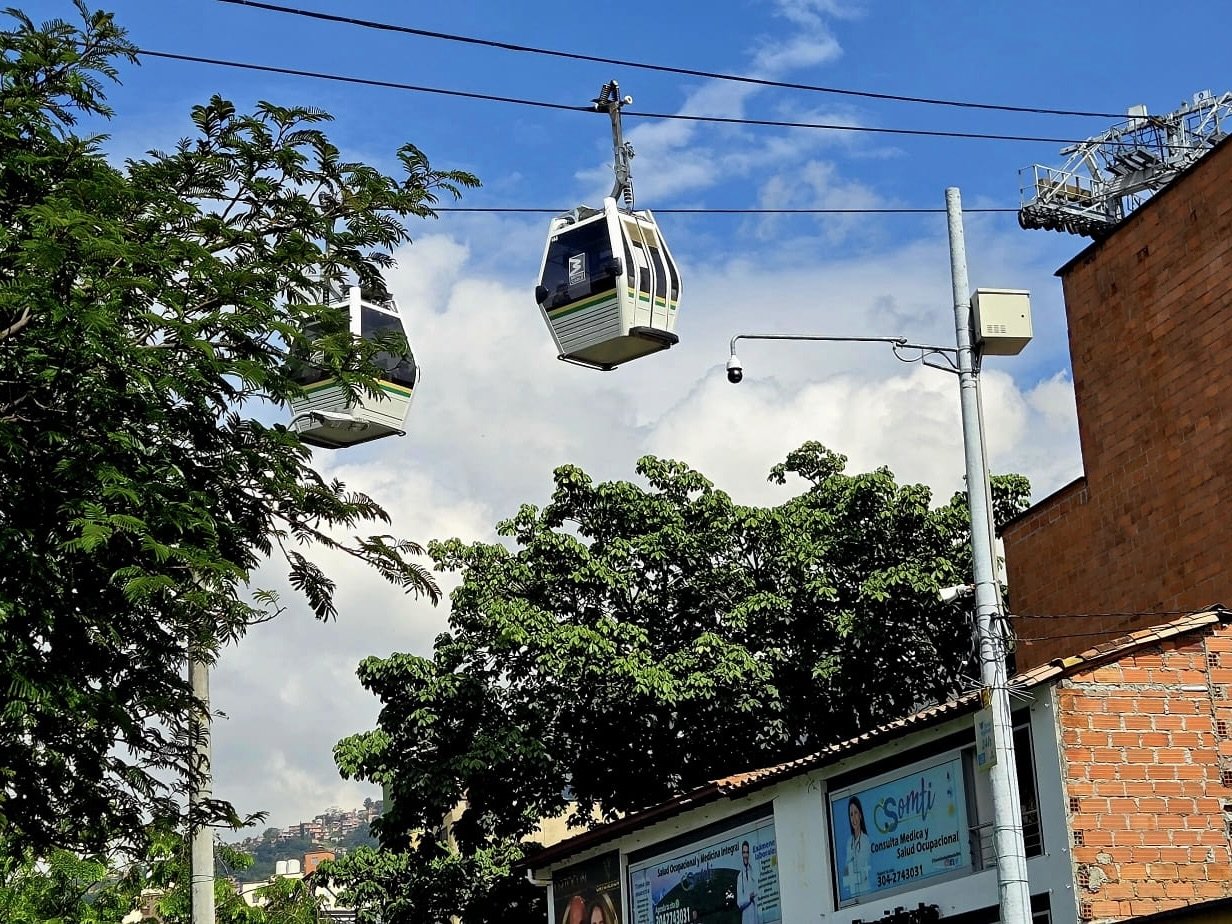 Suspended over the city of Medellín, gondolas help move people up the steep hillsides.
The Metrocable is public transportation, so while we were taking pictures, people around us were simply commuting to school or work. Later in the Comuna 13 neighborhood, we explored these hillside communities from ground level.
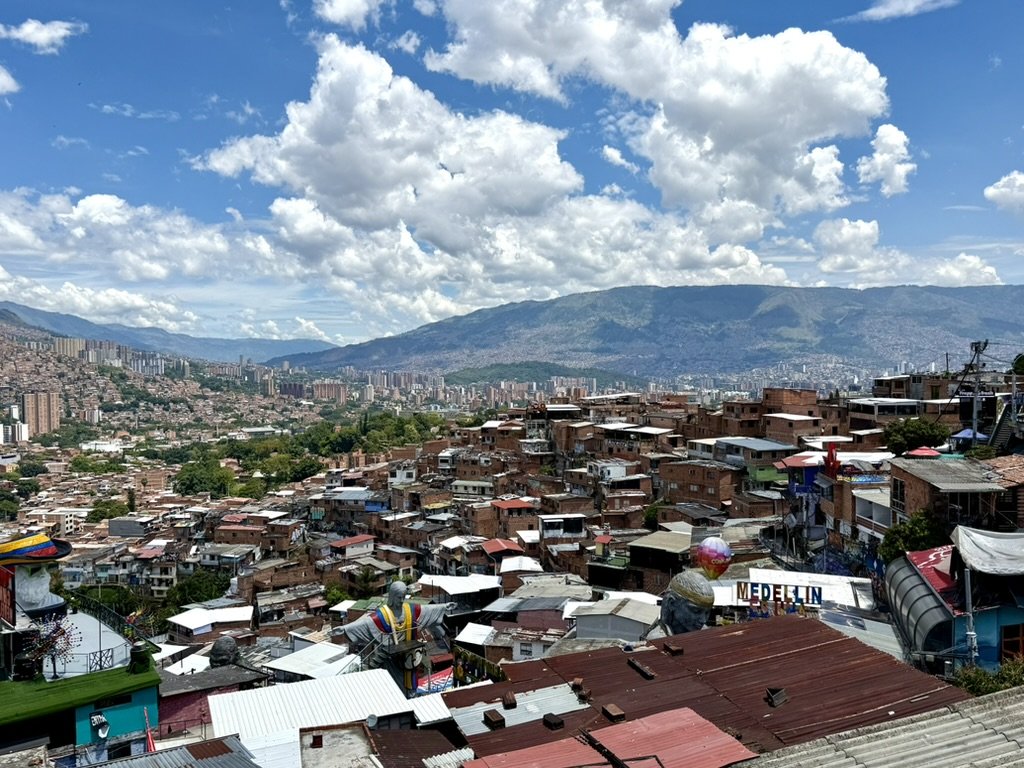 The view from Comuna 13 looking back towards downtown Medellín.
Comuna 13 Is More Than a Graffiti Tour
A Comuna 13 tour appears on nearly every list of things to do in Medellín, and for once I agree with everybody. Just give it the proper time it deserves, because this neighborhood is rich in history, art and community.
We spent hours walking through the Comuna 13 neighborhood, climbing terraced paths and narrow passages between homes. Small restaurants, galleries and local businesses open onto walkways, with balconies and rooftop terraces scattered with people enjoying the views. Huge murals cover walls and stairways, and music plays from somewhere most of the time.
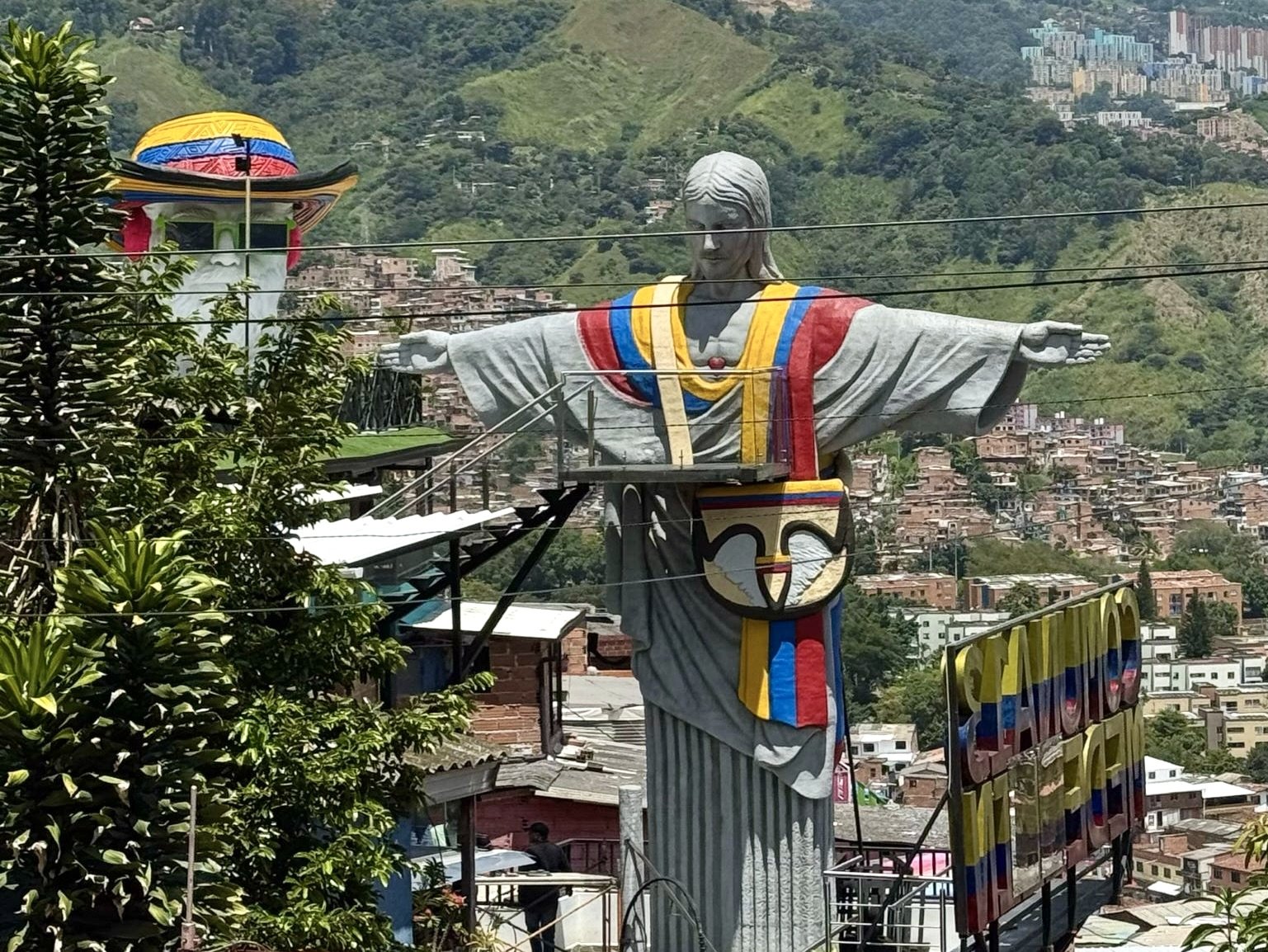 Colorful street art meets traditional icons in the streets of Comuna 13.
A long string of outdoor escalators scale up the pitched terrain. These hills are seriously steep, and the escalators make it much easier for residents to move through the neighborhood. Without them, everyone would be climbing dozens of staircases before reaching even halfway to the top.
We still did plenty of climbing ourselves, and were glad for our comfortable shoes. Our guide had warned us in advance: Comuna 13 is not the day to introduce your fashionable new vacation sandals to Colombia.
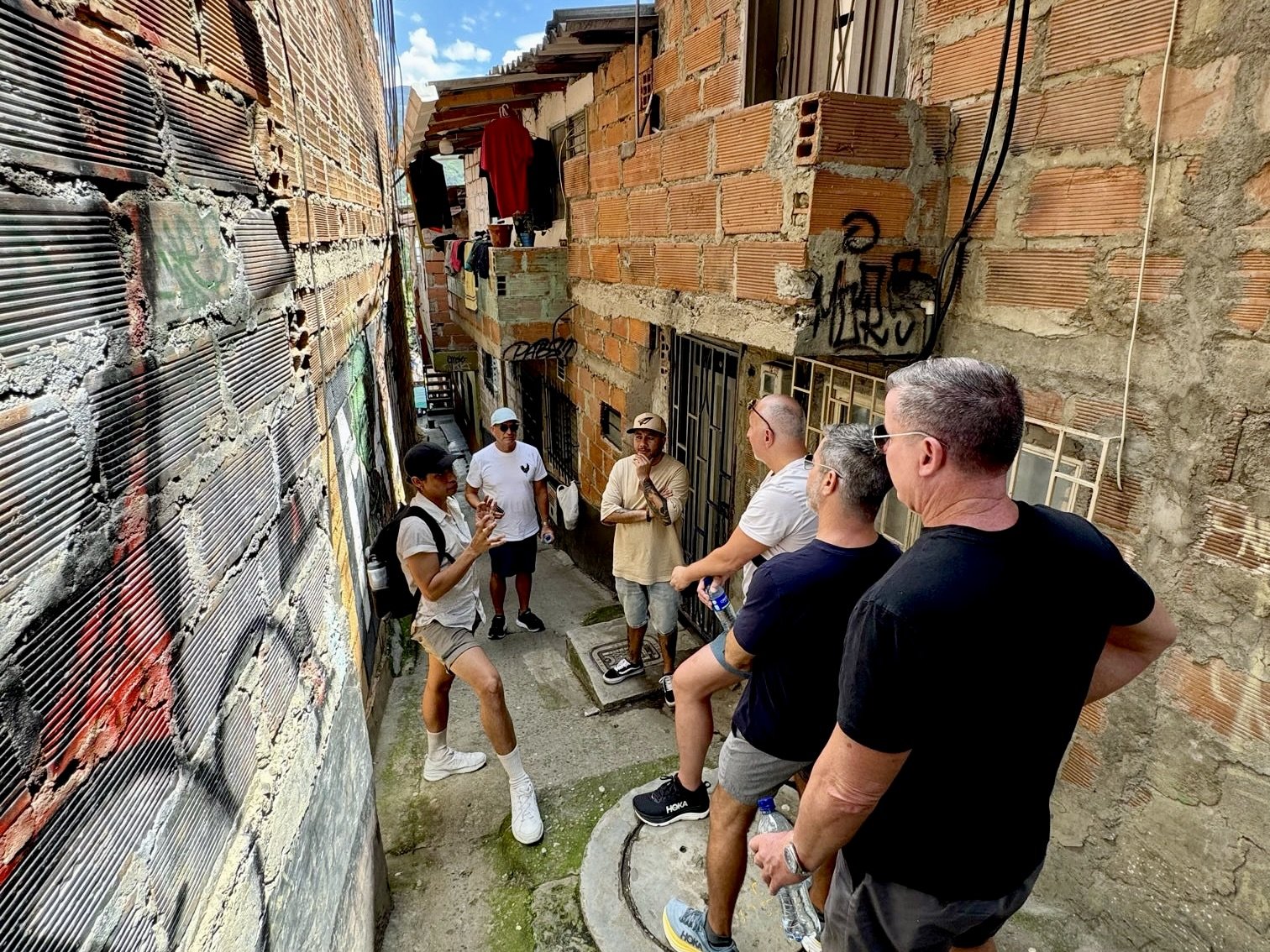 Touring the sidewalks, staircases and byways of Medellín is fascinating and colorful.
It was interesting hearing about the people behind the neighborhood’s transformation. Our guide talked about years when residents lived with drug trafficking, armed groups and violence. We heard stories about women in the community who resisted that culture and helped rebuild neighborhood life, and about artists reclaiming public spaces through graffiti, music and dance.
At one point we stopped to watch young break dancers performing in the street, music bouncing off the buildings. A few minutes later we were walking through a narrow passage between homes, passing abuelas laden with grocery bags from the market.
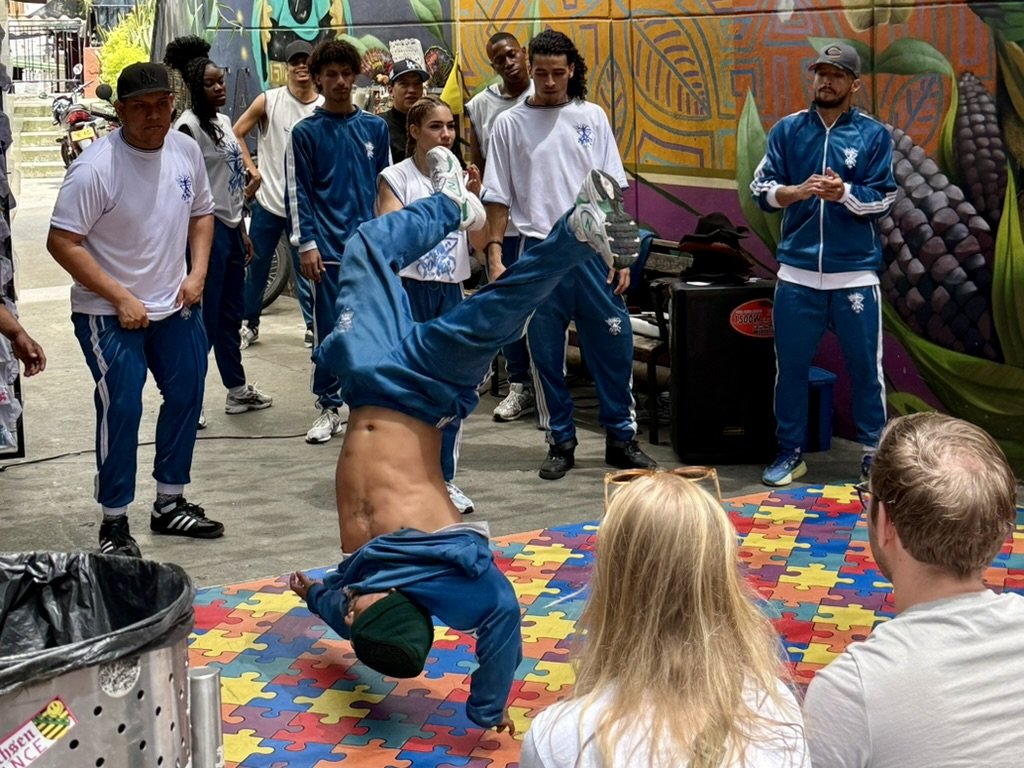 As we walked through Comuna 13, we happened upon this impromptu break dance performance.
After all that, we had to stop for a local treat. The Mango biche paletas are popsicles made from tart green mango, squeezed with lime and sprinkled with salt. They are the perfect refresher after climbing all those stairs.
Take a Coffee Farm Tour in Medellín
The next morning we headed to Capilla del Rosario, a small working coffee finca perched on the hilltops overlooking downtown Medellín. Our host walked us through the coffee-growing process from plant to cup before we sat down for a tasting.
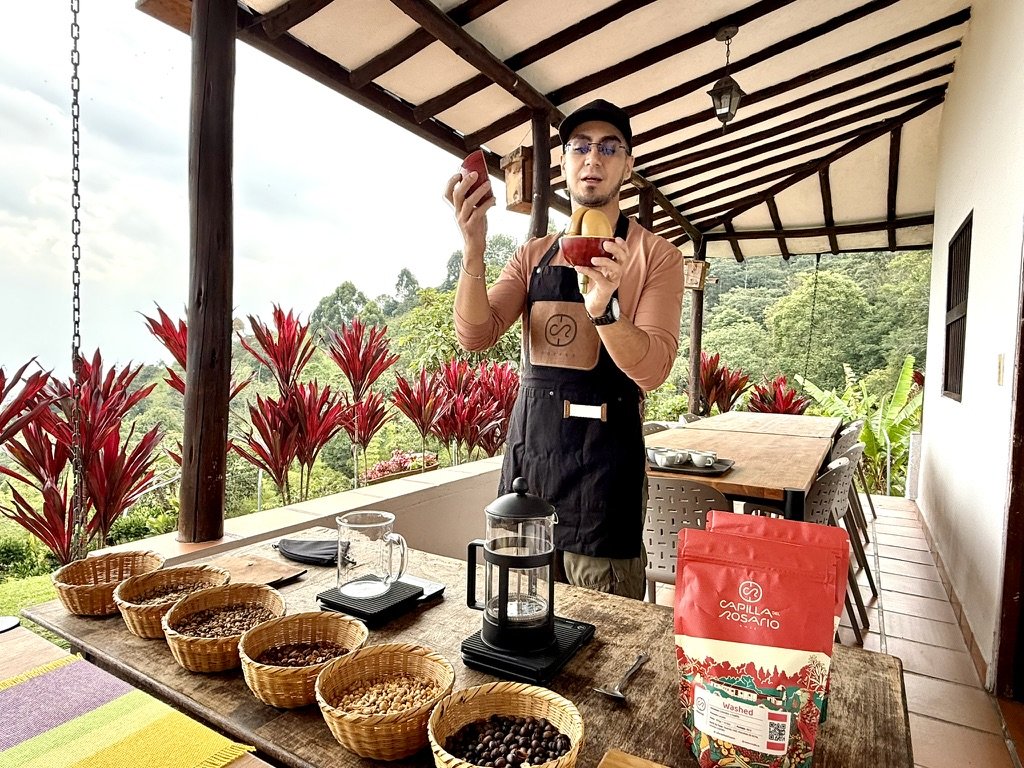 The coffee tasting experience at Capilla del Rosario coffee plantation.
I drink coffee every day and have managed to remain stupendously ignorant about how much work goes into producing it. Suddenly we were paying attention to aroma, acidity and flavors instead of simply wondering when the caffeine would kick in. Starbucks this is not.
If you want to experience Colombian coffee culture but don’t have time to add several days in the Coffee Triangle, this is an easy addition to a Medellín itinerary.
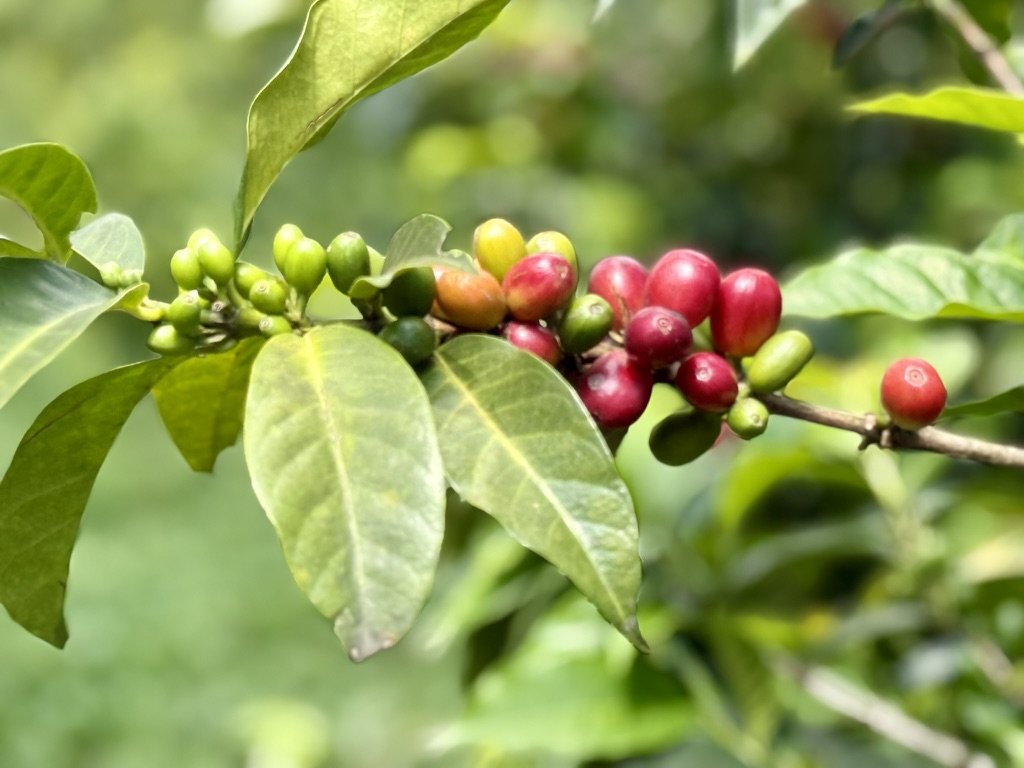 Coffee beans grow on the hillsides near Medellín, ready for harvest and roasting.
Gay Nightlife in Medellín
Later that day, we met the guys from Out in Colombia for Rooftop Escapes, a three-stop cocktail crawl. We moved between rooftop venues with panoramic views, tropical plants, music, and some very pretty people.
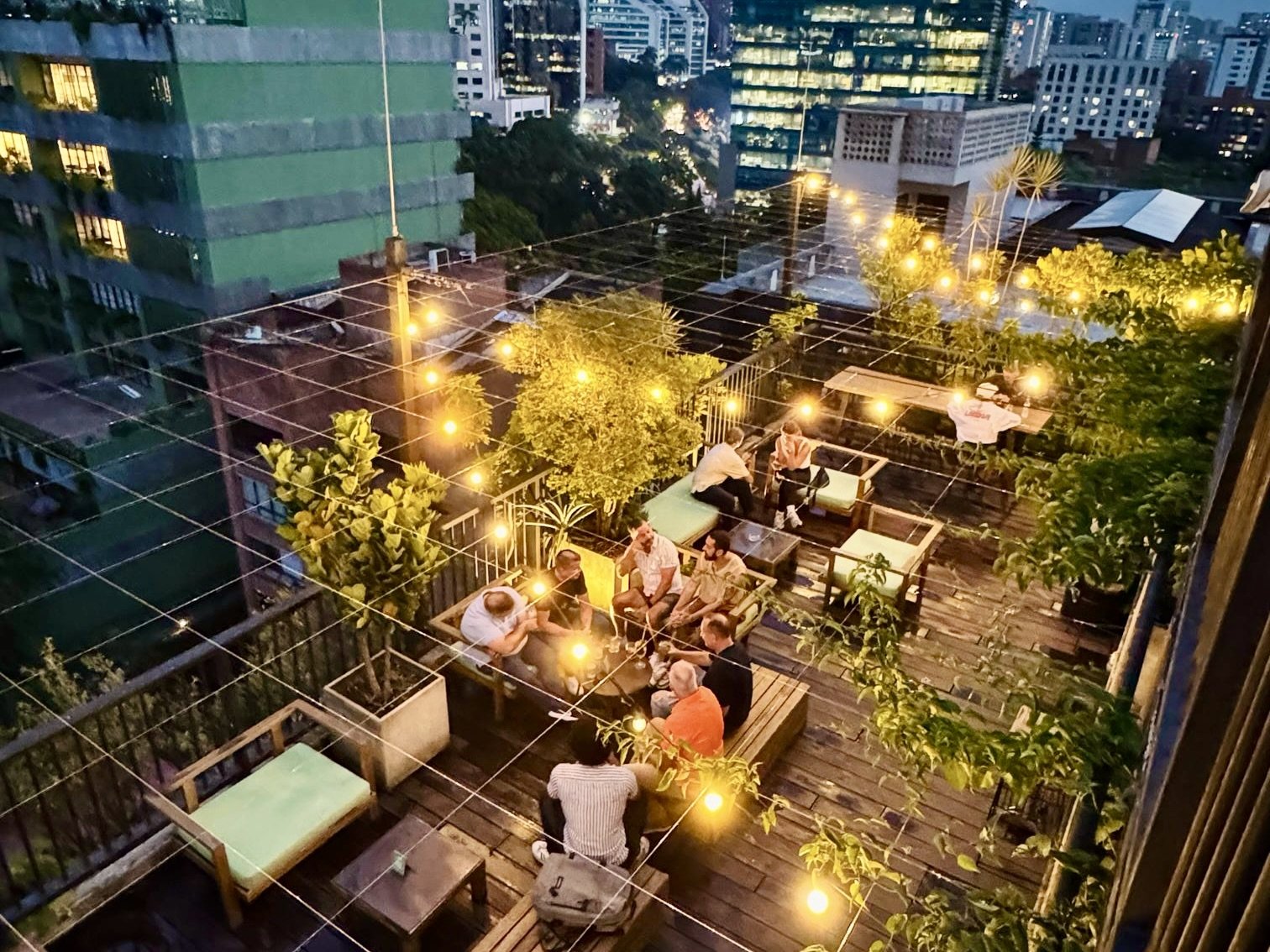 Rooftop drinks in Medellín are a popular way to enjoy this gorgeous city.
Having a local LGBTQ+ host meant we didn’t have to spend half the night figuring out where to go. It also gave us somebody to talk with about gay nightlife and LGBTQ+ life in Medellín generally, which was more valuable than simply being delivered to three bars. We visited Bololoi at Masaya, the rooftop at Marquis Hotel, and Deriva on the rooftop of the Click Clack Hotel. All were colorful, architecturally interesting, with great mixologists and plenty of character.
If you’re visiting for the first time, this is a great activity to schedule toward the beginning of your stay. You’ll have a better feel for the nightlife afterward, and somebody else handles the logistics while you drink cocktails on gorgeous rooftops.
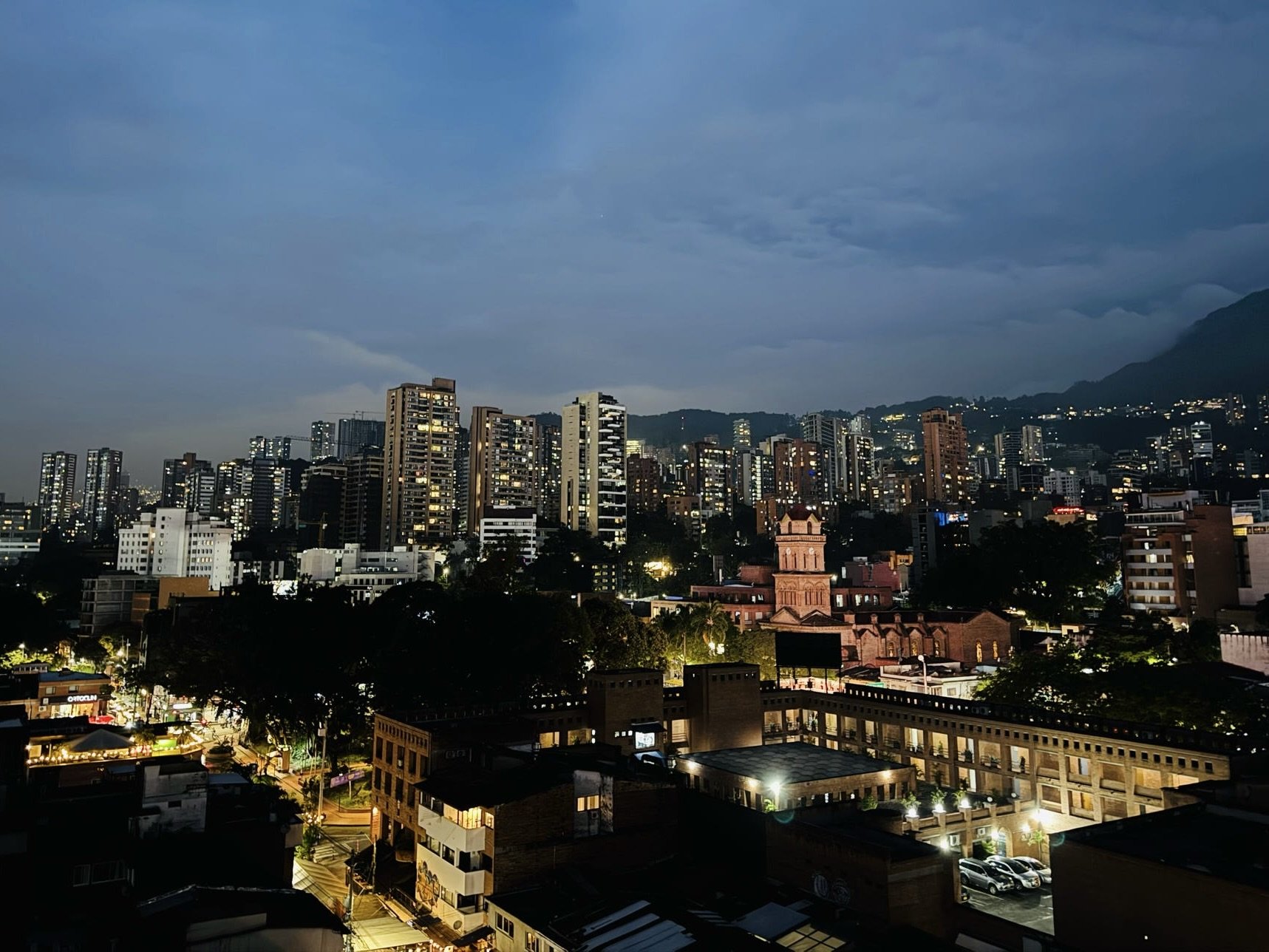 The view of Medellín from rooftop bars is spectacular at night.
Gay-Friendly Hotels in Medellín
Our group of friends stayed in a great Airbnb in the El Poblado neighborhood, which was centrally located and easy to reach on foot or by taxi. However, several hotels in the neighborhood welcome members of the LGBTQ+ community.
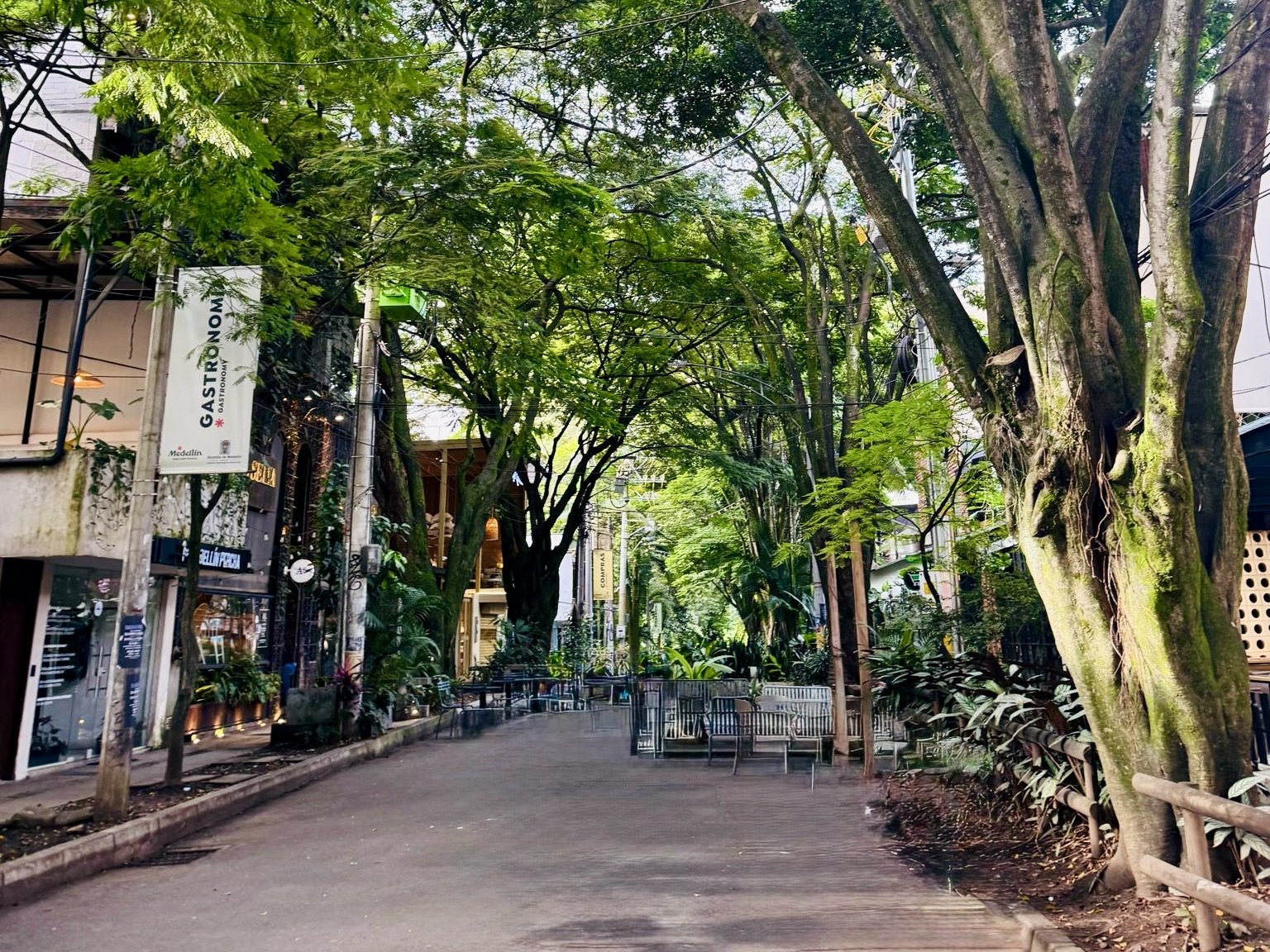 The streets of El Poblado neighborhood in Medellín are lush and stylish.
Landmark Hotel Medellín: A modern option with a rooftop pool and easy access to restaurants and nightlife without putting you directly on the busiest streets.
El Cielo Hotel: A polished boutique stay in El Poblado with spacious suites, a rooftop pool and serious culinary credentials, making it a good choice if you want something more upscale than the neighborhood’s typical nightlife-focused hotels.
Wake Living: A stylish apartment-style option in El Poblado that gives you more room to spread out, with full kitchens, private hot tubs in some units and a residential feel that works well for longer stays.
The Charlee Hotel: Right in the middle of the action near Parque Lleras, with contemporary rooms and the popular Envy rooftop. A strong pick if nightlife is a priority, though light sleepers should remember they are staying near the party.
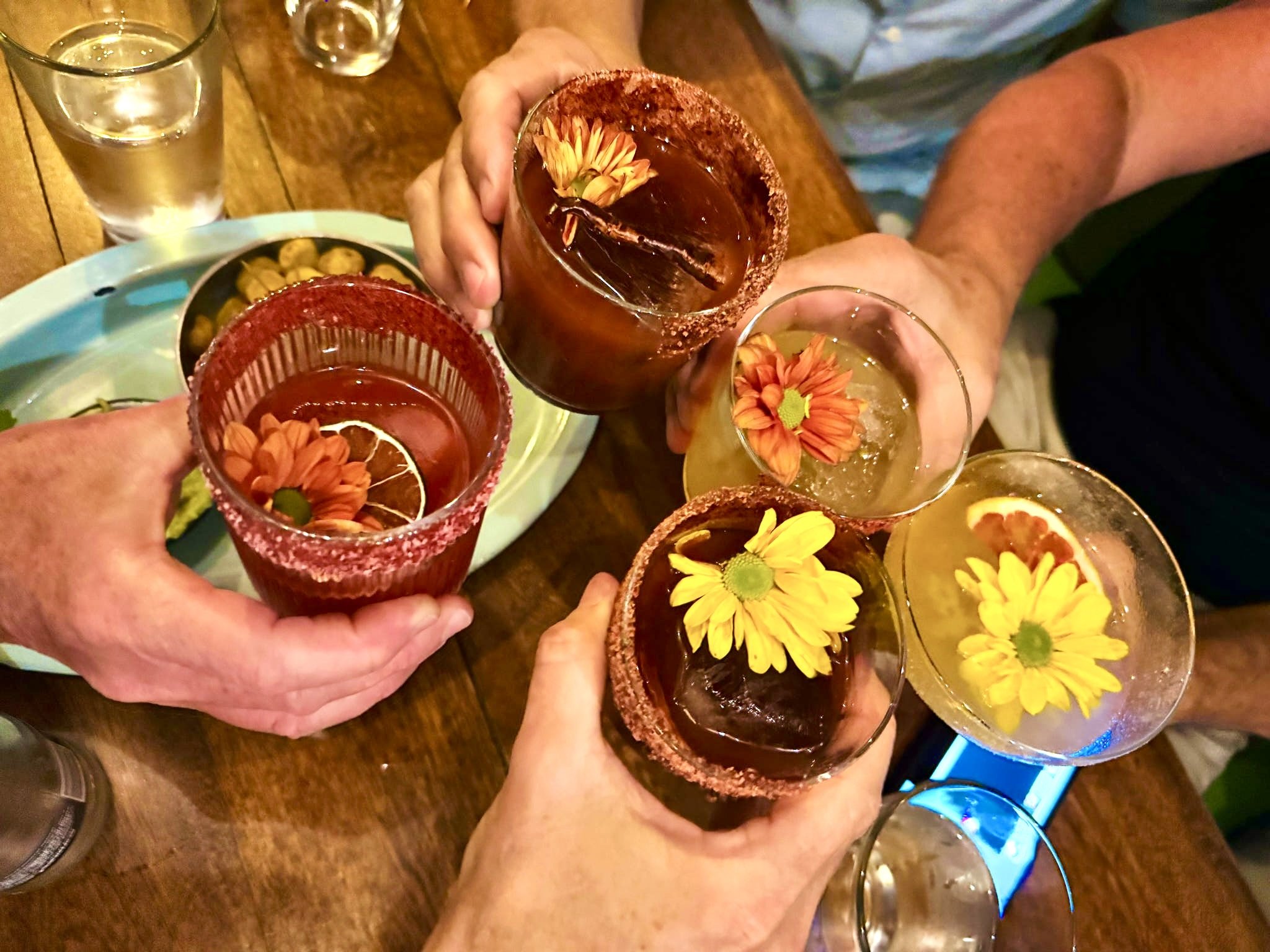 Cocktails at Mamacita’s in Medellín come with a Colombian flourish.
LGBTQ+ Travel Tips for Medellín
1. For a first visit, I’d give Medellín at least four days. Five is better.
2. El Poblado is Medellín’s main nightlife district and home to much of the city’s LGBTQ+ bar scene, particularly around Parque Lleras and Provenza. Bars to check out:
- Bar Chiquita – A fun, high-energy gay bar in Vía Primavera with drag, pop, reggaetón and a crowd that tends to get more animated as the night goes on.
- Club Oráculo – A bigger LGBTQ+ nightclub in Provenza with multiple spaces, DJs and live or drag-style entertainment. Better if you want a full-on club night rather than just drinks.
- Donde Aquellos Bar – A longtime gay bar near Parque Lleras that feels more social and relaxed. A good place to start the evening with drinks before heading somewhere louder later.
3. Comuna 13 deserves several hours, and the Transformation Tour gave us context I was glad we had.
4. Medellín runs a little later than we’re used to at home, particularly around El Poblado. Dinner at 8 p.m. feels perfectly normal, and the bars are still going strong long after we’re usually thinking about bed. Mornings are another story. Get out early and you can have some of the cafés and neighborhood streets largely to yourself.
5. Transportation is easy here, and we easily walked long distances throughout the city. Caveat: there are many hills, so walks can turn into cardio workouts quickly. We used the Metro and Metrocable when they made sense, especially for sightseeing. Rideshares or taxis work easily for restaurants, nightlife and door-to-door trips.
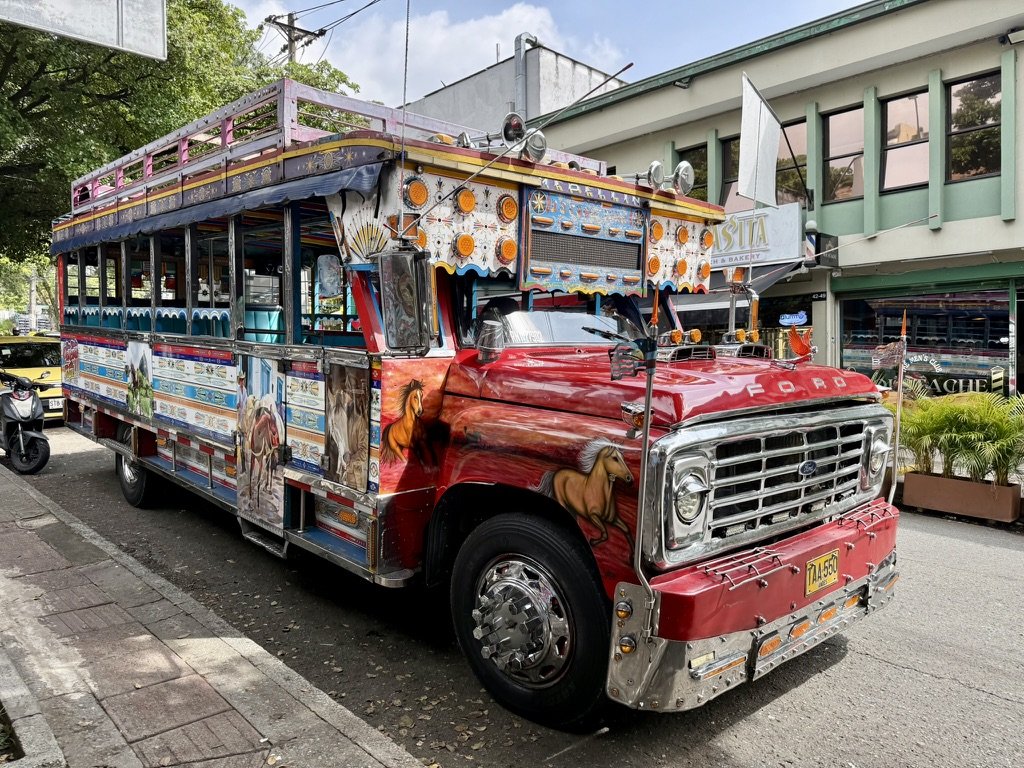 Even the buses in Medellín come with extra flair.
6. Don’t plan every hour. Medellín is good at giving you another painted wall, little shop or ridiculous view when you weren’t expecting it.
Why Medellín Surprised Us
The Medellín we brought home in our heads is incredibly colorful. We remember enormous birds painted across buildings, flowers floating in cocktails and walls covered in visual stories. Memories are distinct of looking down from a cable car at neighborhoods spreading up the mountains, and then walking through those same hills a few hours later.
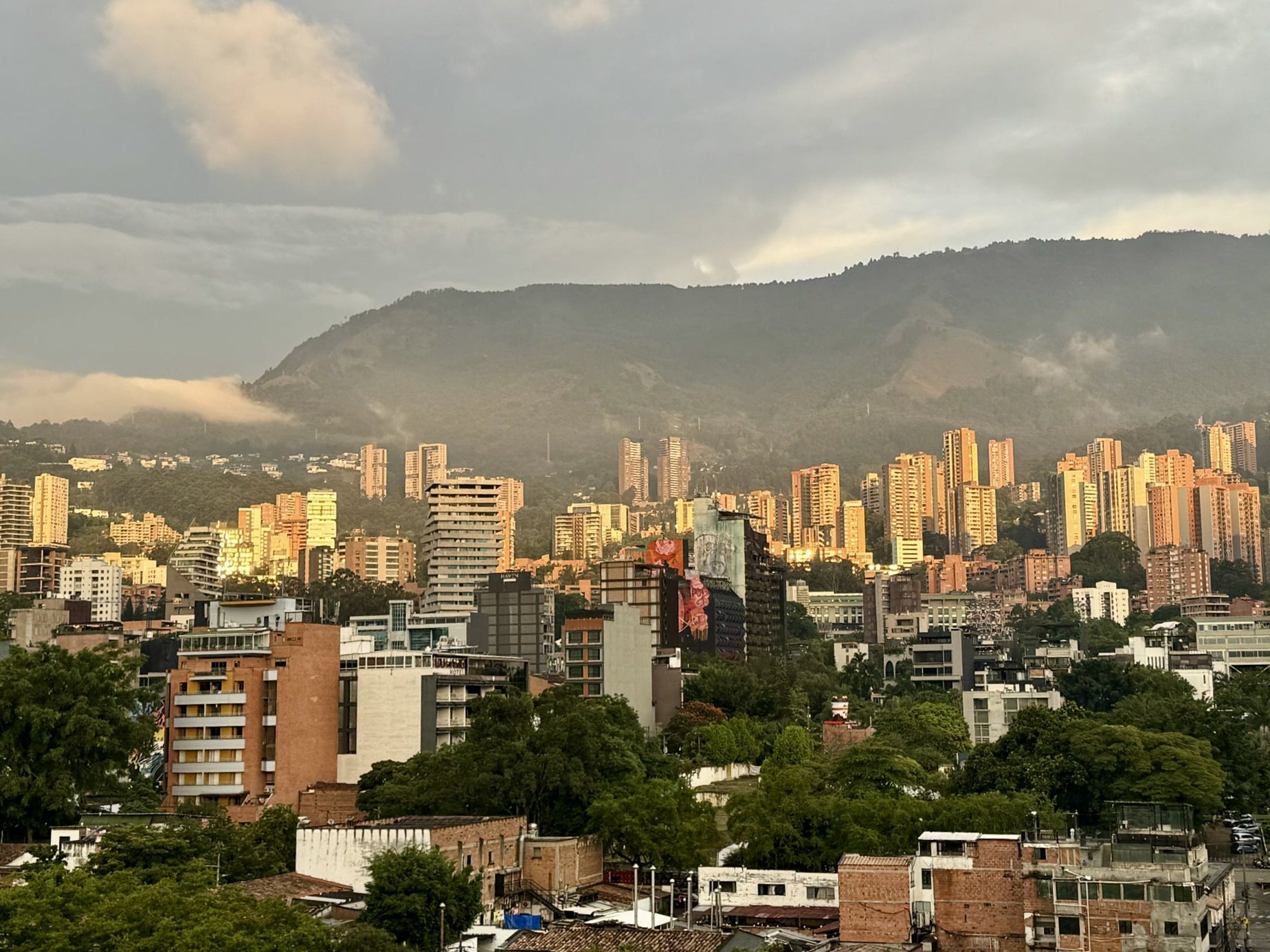 The city of Medellín is impressively beautiful as it slopes up towards surrounding mountains.
How comfortable we felt there is another core memory. When someone asks whether Medellín is a good destination for gay travelers, these are the experiences that fuel our answers. Based on our experiences, the answer is yes.
But we wouldn’t go just because Medellín has LGBTQ+ nightlife or because gay travelers are welcome there. We tell people to go because Medellín is fascinating, whether you are gay or straight. Give Comuna 13 enough time to understand why the murals matter. Ride above the barrios on the cable cars. Taste coffee where it grows. Eat the chicharrón. Let an LGBTQ+ local take you out for cocktails.
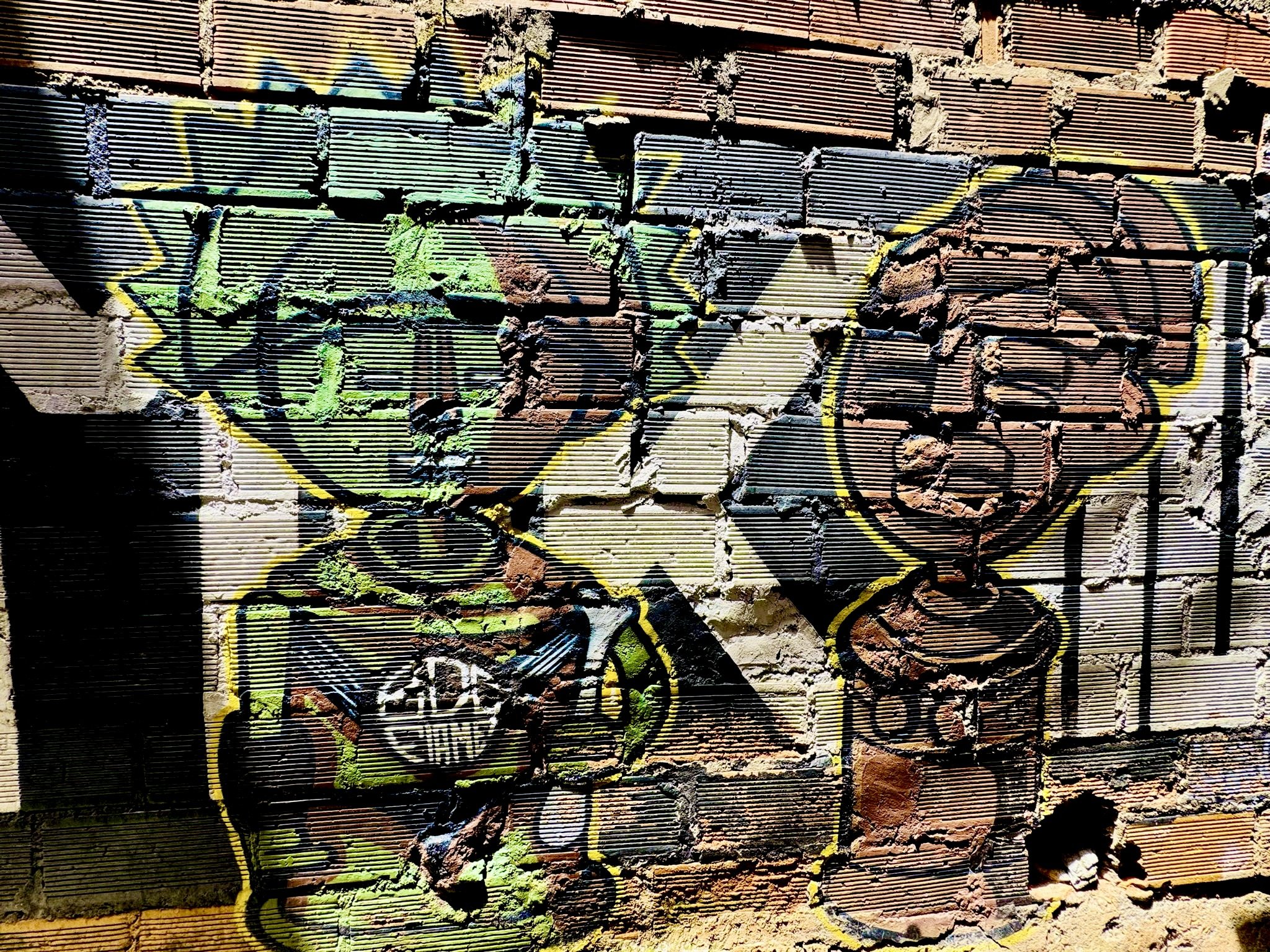 Street art dots the landscape throughout the city streets of Medellín.
Bottom line: make sure you have plenty of storage on your phone. You’re going to take a ridiculous number of pictures of this beautiful city and its amazing people.
